What Fentanyl and Synthetic Opioids Mean for EMS Tracking and Response

Fentanyl is one of the most discussed drugs in modern medicine, likely because it’s been one of the most complex to manage. EMS professionals in the field face a two-pronged challenge of using opioids responsibly for trauma pain management while protecting themselves and their communities from the risks.
The rise of synthetic opioids is changing the way the EMS industry thinks about accountability, security, and response preparation. It's reshaping drug-tracking protocols in EMS systems across the U.S.
The Power and Risk of Fentanyl and Synthetic Opioids in EMS
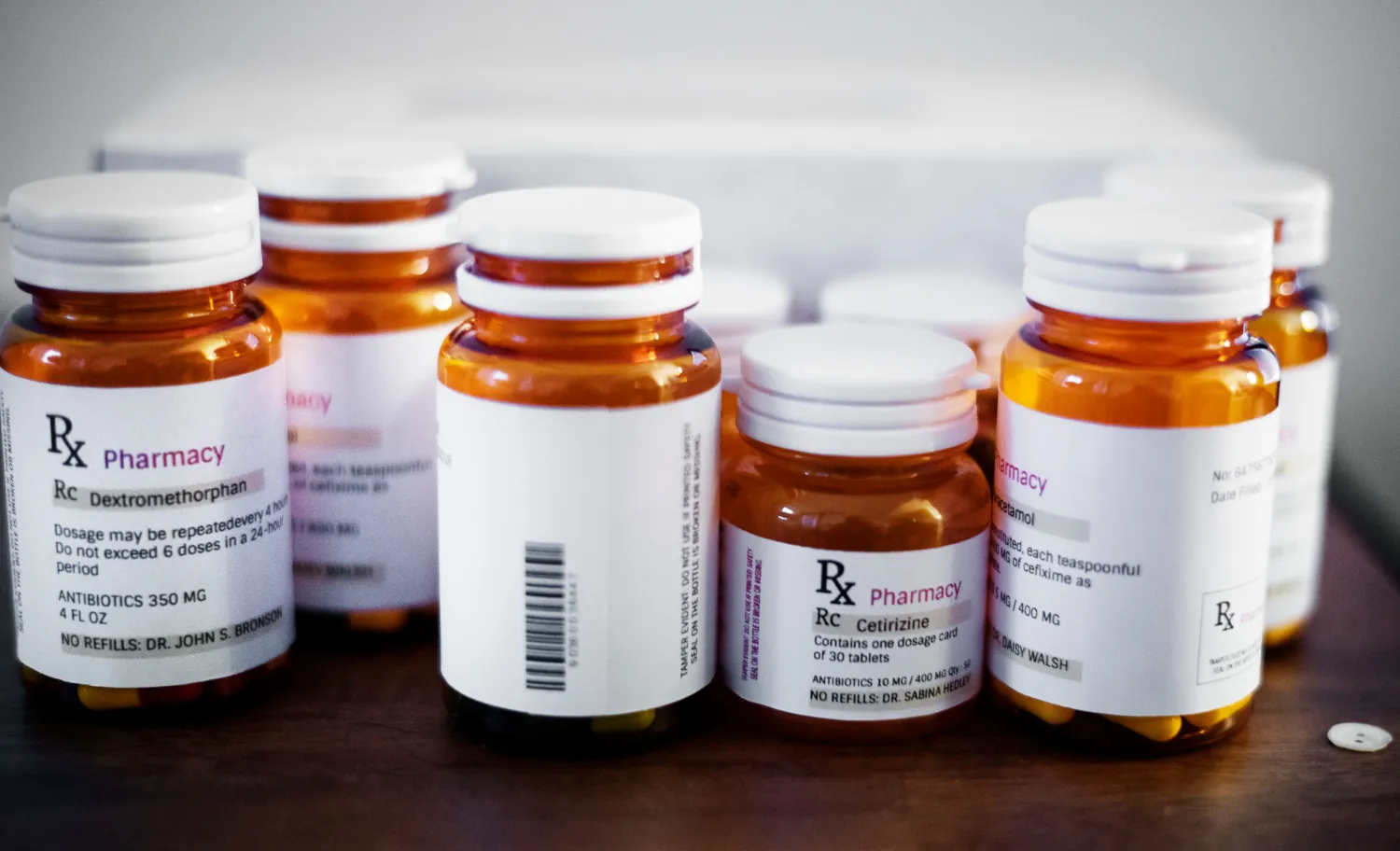
Although it may seem like a recent issue, Fentanyl isn’t a new drug. It’s one of the oldest modern synthetic opioids in use, having been invented in 1959. It was used as an anesthetic in the early 1960s and approved for surgical use in 1968. Fentanyl started to become a concern first in the 1990s, with patch formulations, lozenges, and even lollipops for severe pain management.
In the 2010s, illicit synthetic Fentanyl started flooding the drug market. The overdose crisis escalated because of highly potent analogs. The original pharmaceutical medicine is still used for emergency pain management because it offers a rapid onset, short duration, and predictable dosing. Unlike other opioids like morphine or hydromorphone, Fentanyl doesn’t spark a histamine release that can cause blood pressure to crash.
For trauma patients, burn victims, and those in severe pain from cardiac or orthopedic emergencies, a Fentanyl IV can make a significant difference in pain levels and take patients from agony to comfort.
However, Fentanyl is highly potent. It's up to 100 times stronger than morphine, so it's one of the most tightly controlled medications in medicine. The potential for misuse and growing prevalence of illicit and dangerous synthetic opioids in the community demands a responsible and reasonable approach.
Synthetic opioids have become the hallmark of the U.S. overdose epidemic. Synthetic opioids—Fentanyl and analogs—have been involved in over 70% of opioid overdose deaths in recent years, according to the CDC.
In EMS, the concerns aren’t just about overdose. There’s also a necessity for handling and using these drugs, making them a workplace safety and management concern. Illicit Fentanyl and especially its analogs, such as carfentanil, are incredibly potent—active in microgram ranges—and can be fatal with very small amounts when ingested or injected. EMS professionals have a low risk of exposure (with proper precautions), but it demands careful attention and oversight.
To counter the opioid crisis, EMS agencies are fortifying their tracking systems and narcotic accountability protocols. Many have taken a hard look at how Fentanyl and similar products are stored, administered, and reported.
H2 TEXT HERE
Recent years have shaped EMS tracking procedures and protocols in several ways. Fentanyl's prevalence has played a significant role in many of the decisions and approaches.
1. Improved Drug Accountability Systems
Scheduled drugs require careful tracking and regulation to prevent diversion and misuse. Many EMS agencies have moved away from the traditional (but less accurate) paper logbooks to simple digital tracking platforms like LogRx.
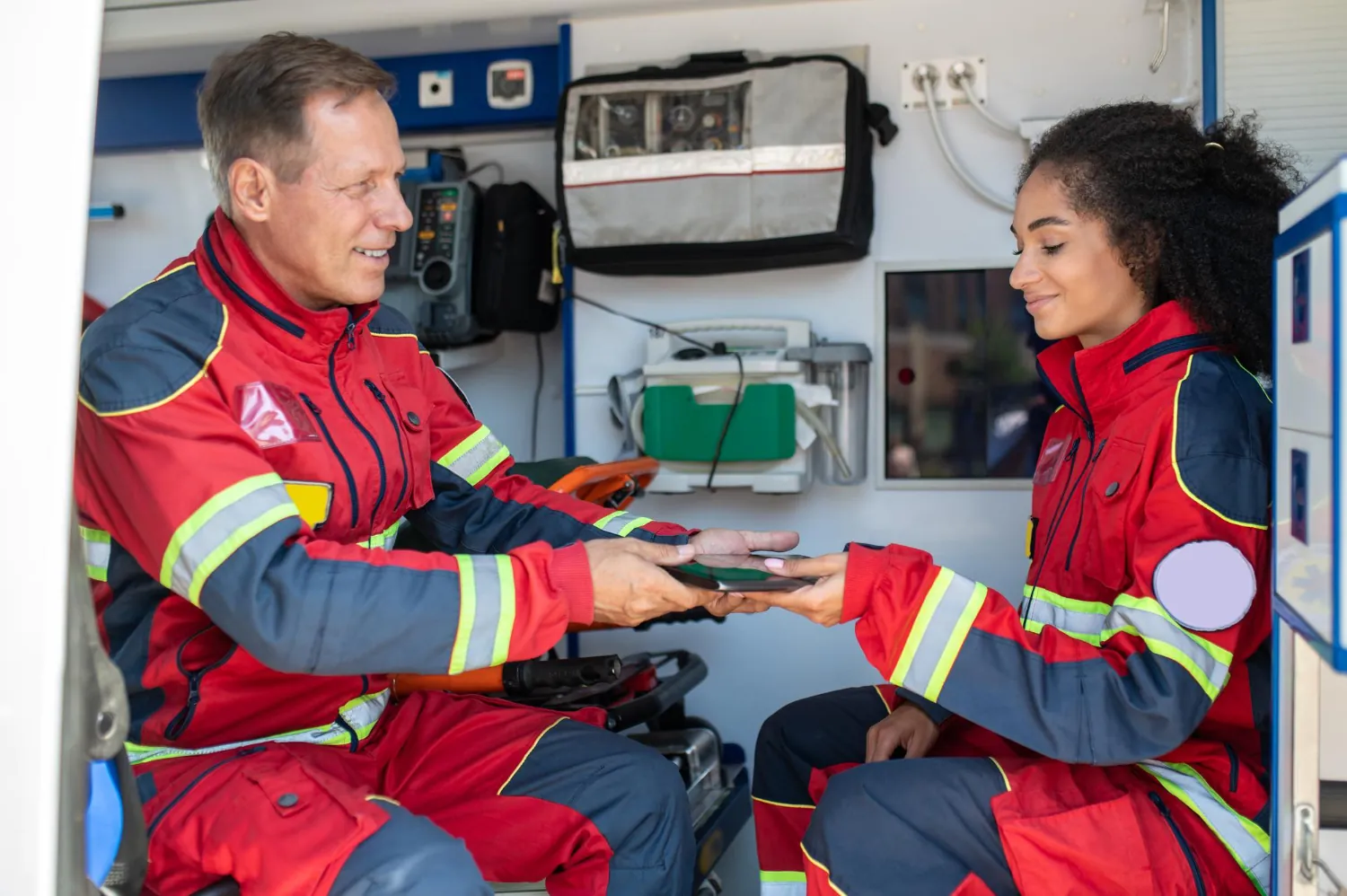
Tracking in an automated system has many advantages compared to the old paper standby. Mainly, the systems offer real-time oversight. Each transaction in the chain of custody is logged simply and efficiently from a handheld device.
Visibility reduces the risk of discrepancies and mistracked information. When reporting time comes around, administrators can quickly comply with DEA and state regulations with simple, clear reports that capture the full picture.
2. Standardized Administration and Waste Procedures
Many EMS agencies use two-person verification for Fentanyl administration and waste. Lockbox storage must be secure and tracked. By digitizing these areas, nearly any record can be audited quickly and easily (no shifting through stacks of handwritten notes and shift reports).
LogRx makes drug tracking accurate and timely. It helps to recreate every dosage that moves through your team with a clear picture of exactly how it was administered or discarded.
3. Expanded Use of Narcan (Naloxone)
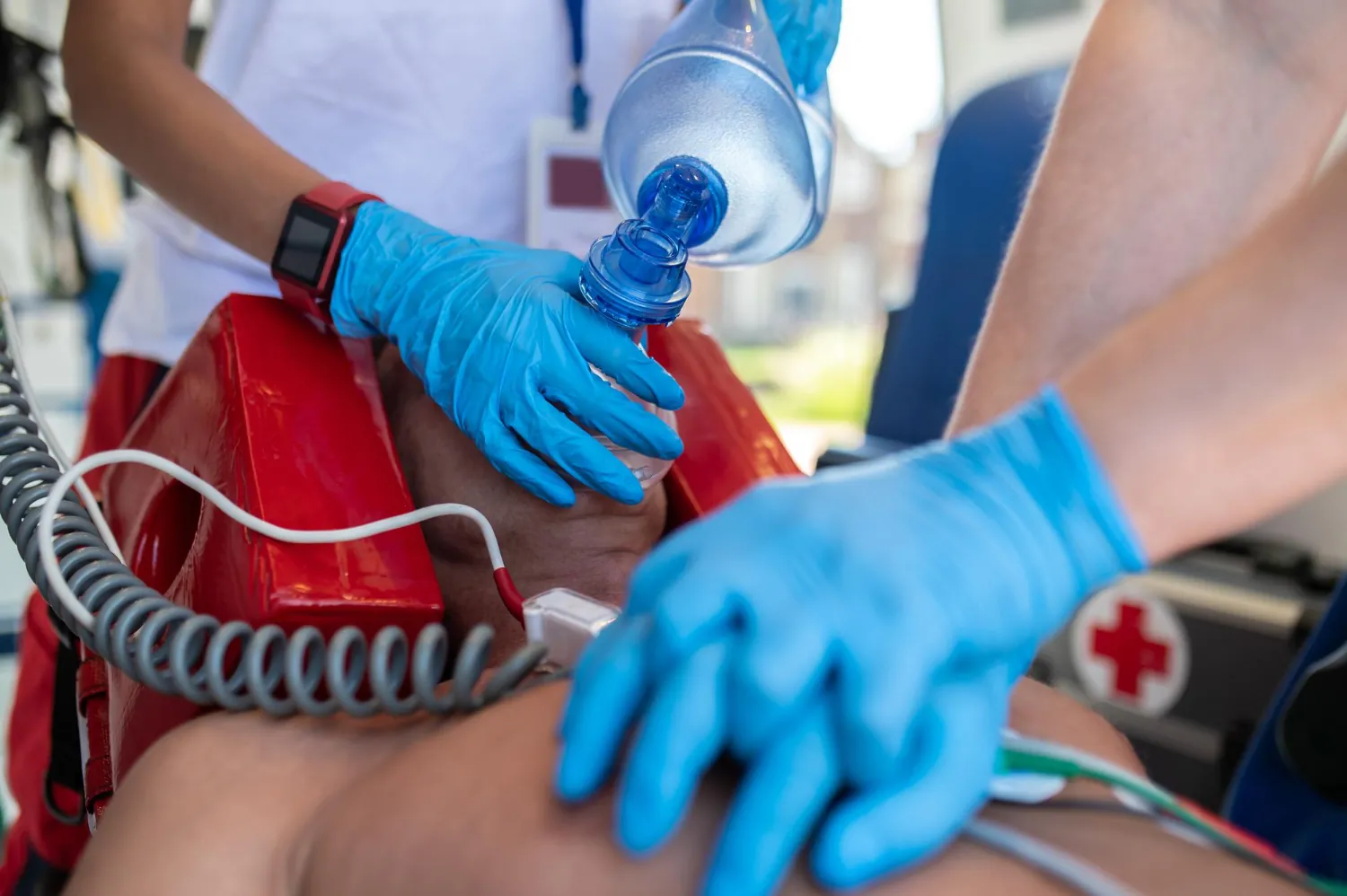
The benefits of administering Fentanyl for controlled pain relief still outweigh the negatives, but the drug must be handled with care. Naloxone (Narcan) is a critical part of overdose response protocols, and many responders, including fire and law enforcement, also carry Narcan. While accidental opioid toxicity in providers is rare, having naloxone available ensures both patient care and responder safety.
Many EMT protocols include specifications on Narcan use for patient treatment as well as provider safety. These steps help ensure that reversal can be quickly performed in the field in the event of inadvertent inhalation. The reversal medications must also be tracked as part of narcotic and drug inventory management.
Balancing Fentanyl Use Between Pain Management and Safety
Effective pain management is a core responsibility of EMS. Patients are often in severe pain and distress. When appropriately used, Fentanyl is one of the safest, most effective medications available.
But as public concern increases, providers may be hesitant to offer opioids or may underdose them, even when clinically indicated. The hesitancy stems from a lack of confidence, and unfortunately, it can lead to unnecessary suffering for patients.
When EMS providers have a transparent, accountable method for medication tracking, they're empowered to deliver care. Knowing that every milligram will be logged, verified, and accounted for eliminates the worry that comes with paper tracking.
EMS narcotics tracking used to be a manual process, with pen-and-paper logs and physical reconciliation. The process was time-consuming, but it was also nerve-racking. Human error is possible and even probable with paper tracking, and with so much riding on accuracy, there’s no room for mistakes.
Today’s agencies are turning to LogRx—digital tools that cut out the guesswork and offer data and insight for a complete picture of the landscape. Using a secure mobile app on their handheld device, EMS personnel can:
- Log narcotic transactions securely.
- Document doses, waste, and transfers.
- Capture digital signatures.
- Generate automatic reports for audits and reporting.
- View chain-of-custody records, note trends, and better anticipate inventory levels.
Digital tracking strengthens trust in your team. The system is automated, which offers the peace of mind that every movement of drugs like Fentanyl, morphine, or ketamine is traceable and secure.
The other safety factor isn’t about liability, but rather concerns about accidental exposure for first responders. Simple contact with Fentanyl powder and residue isn't enough to cause toxicity. However, aerosolized Fentanyl—especially in enclosed spaces (like an ambulance)—may pose a risk, which is why PPE and scene protocols are emphasized. However, the risk to providers remains extremely low with appropriate precautions.
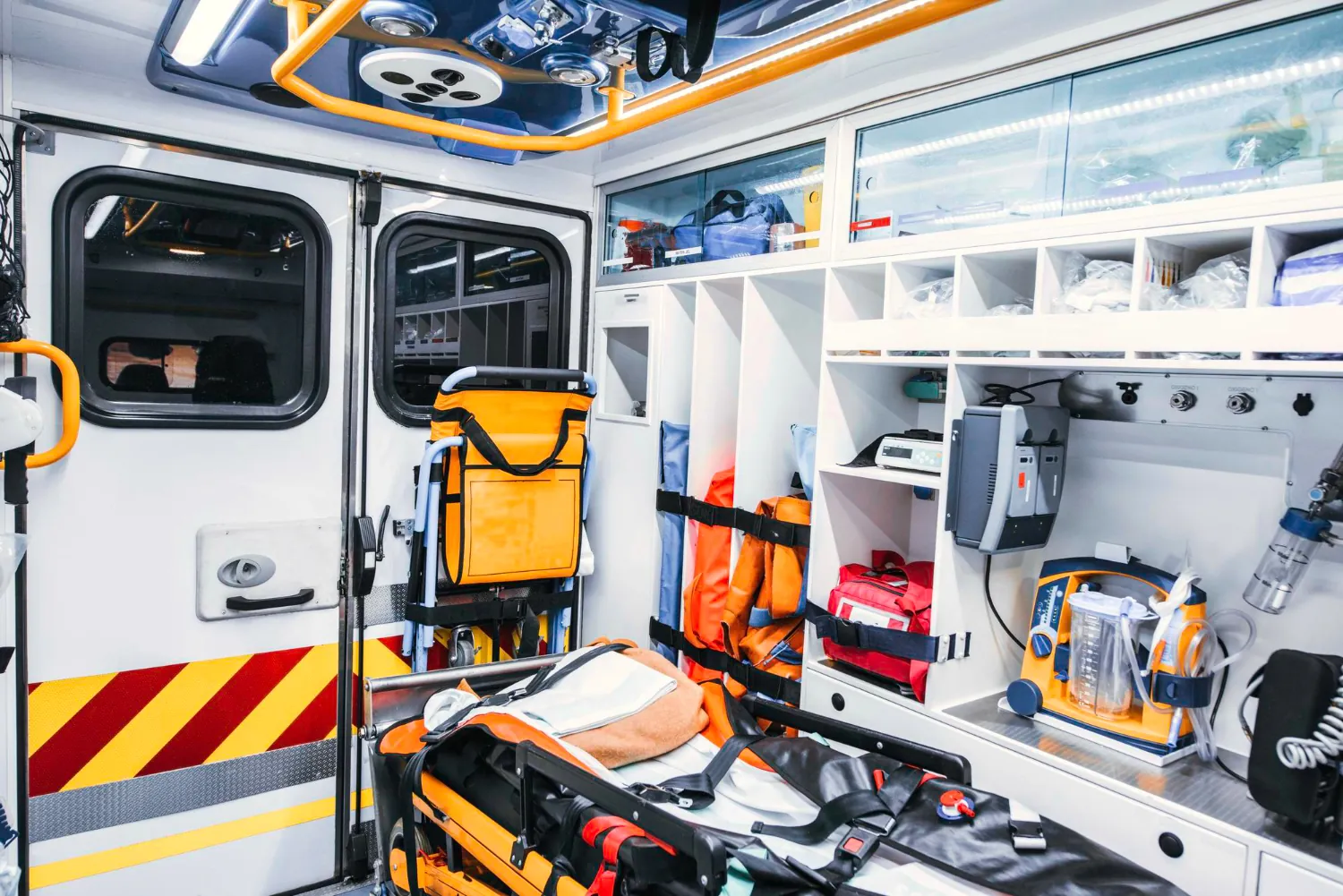
Many agencies have addressed the concern with protective protocols like the use of PPE (gloves and N95 masks) during overdose calls. Disposal containers for drug paraphernalia are clearly marked, and there's on-scene availability of Narcan for responders as well as patients.
Tracking plays a large role in protecting everyone. With a tracking system like LogRx, you can document drug use and field steps for further training and handling oversight.
Documentation Builds Trust in EMS
The prevalence of synthetic opioids has pushed EMS toward greater accountability. Every vial, dose, and patient record is part of a larger data story. These stories influence protocol development and public health policy.
It’s important to leverage the real-time tracking data, like the tool it is. With tracking, administration can note usage trends, detect unusual patterns, quantify narcotic use, and provide evidence for regulatory review and even grant requests. Raw data becomes actionable insights that help medical directors make more informed policy decisions.
Similarly, the opioid crisis has increased public concern and scrutiny over narcotic security. Communities want to know that medications are used appropriately and that the professionals they entrust with their care are properly supported.
Technology, such as automated tracking systems, increases transparency and accountability while easing the administrative burden on EMS crews. Often, this has a trickle-down effect, where tools like LogRx reinforce a culture of safety and patient-centered care.
Of course, synthetic opioids will continue to evolve, but EMS response and standards will adapt as well. Innovations help to empower providers, cutting back on the hassles of manual documentation and the uncertainty that can accompany it.
While synthetic opioids like Fentanyl have challenged and changed the landscape of emergency medicine, they've also brought innovation and opportunities for transparency and safety that improve the job for providers and care for patients. Digital tracking tools like LogRx help your agency meet the highest standards of accountability while ensuring your team can continue to offer compassionate and effective pain management.
The key to making Fentanyl a helpful tool is to pair it with technology and protocols to use it safely. If you would like to know more about how LogRx can strengthen your team’s ability to track accurately and quickly, please reach out today.













.webp?t=1767824315309)